Ines Werner · 2 September 2026
Recent surveys conducted by local ecologists indicate a significant rebound in wildlife populations along newly restored sections of the Havenway in Dorset. The pathways, part of the Havenway Peaceful Pathways initiative, have seen increased biodiversity following extensive habitat restoration work completed last year. This positive development underscores the effectiveness of conservation strategies in rural areas across the county.
Restoration Techniques Employed
Restoration involved replanting native flora and removing invasive species that had previously dominated the area. Conservationists focused on creating diverse habitats including meadows, hedgerows, and wetland areas to support a wide range of species. These efforts have transformed previously degraded land into thriving ecosystems. Soil quality improvements and water management were also key components of the project to promote natural regeneration.
Local volunteers and experts collaborated to monitor the progress, using camera traps and field observations to track changes. The project emphasized sustainable practices to ensure long-term viability of the restored environments. Training sessions were held to educate participants on best practices for wildlife monitoring and data collection methods.
Observed Wildlife Increases
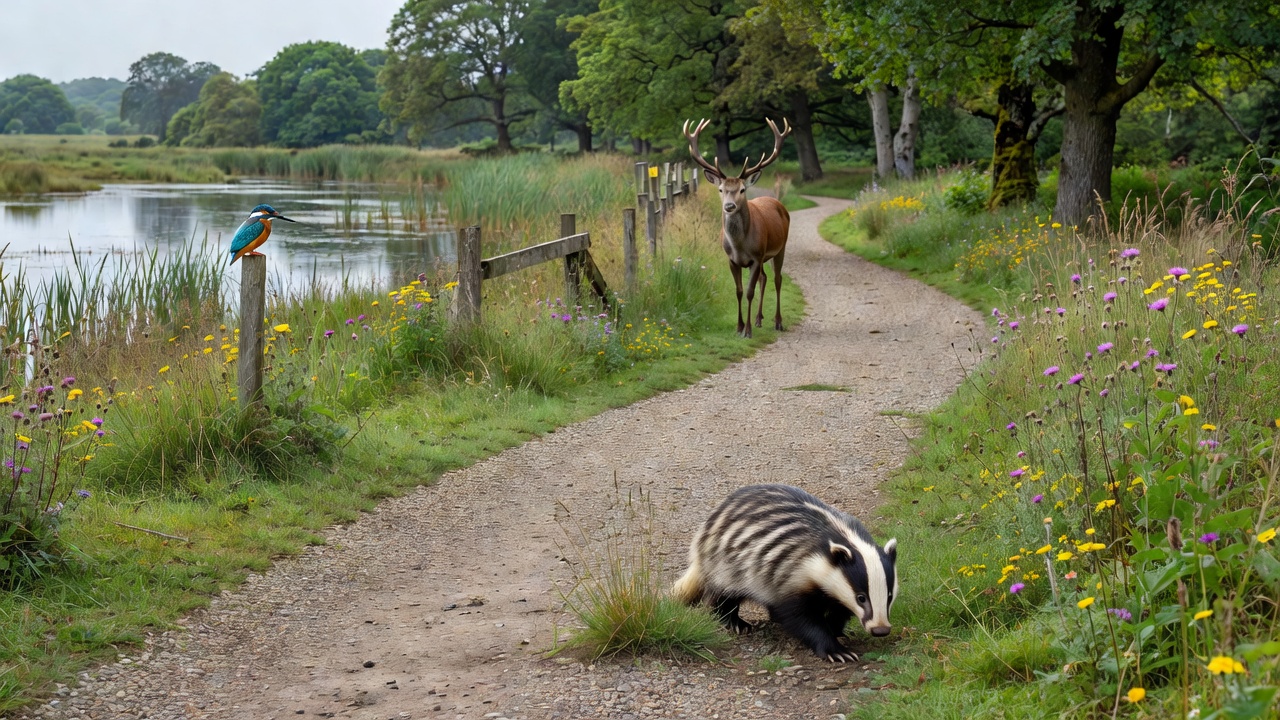
Among the notable returns are several bird species such as the nightingale and skylark, whose populations have increased by over 30 percent in the restored zones. Butterflies and other pollinators have also flourished, with rare species like the Adonis blue now frequently spotted. Mammals including badgers and deer are using the pathways more regularly, indicating improved connectivity in the landscape. Reptiles such as slow worms have been recorded in greater numbers as well due to better ground cover.
Experts attribute these changes to the enhanced food sources and shelter provided by the new plantings. Ongoing monitoring will continue to assess the full impact of the restoration on the local ecology. Data collected will help refine future projects along the pathways network.
The success in Dorset serves as a model for similar projects elsewhere along the Havenway network, highlighting the benefits of targeted conservation efforts in supporting biodiversity. Community involvement has been crucial to the achievements seen so far in the region.