Quinn Koch · 18 September 2026
Visitor Surveys Reveal Shifting Priorities for Erosion Control Along Busy Coastal Routes
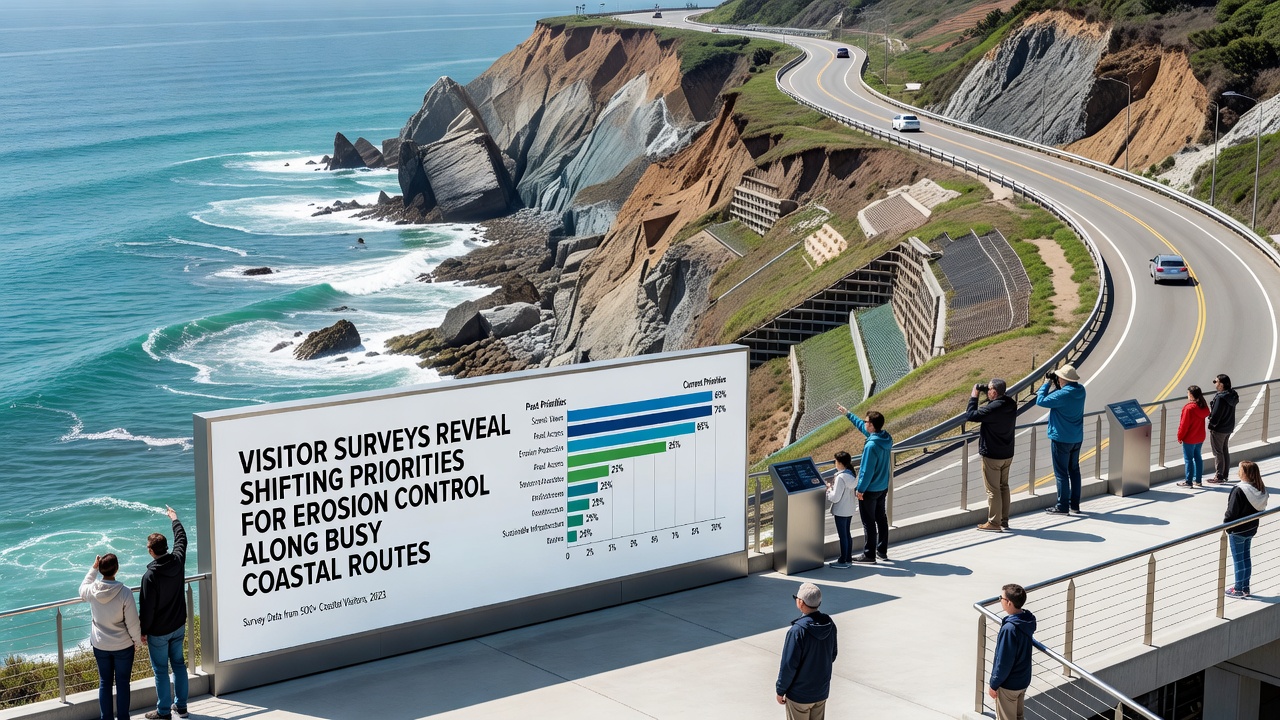
Visitor surveys conducted along several busy coastal routes have highlighted changes in how people view erosion control measures, with data pointing to a preference for integrated approaches that balance access, safety, and environmental stability. These findings come from responses collected across multiple sites managed under the Havenway network, where foot traffic remains high throughout the year. According to the results, participants increasingly cite the need for solutions that incorporate natural barriers alongside structural reinforcements rather than relying on single-method interventions.
Survey Design and Data Collection
Teams distributed questionnaires at key access points during peak periods in 2025 and early 2026, gathering input from over 4,200 respondents who regularly use routes exposed to wave action and seasonal weather shifts. Questions focused on observed erosion patterns, satisfaction with current barriers, and suggestions for future adjustments. Researchers cross-referenced answers with site-specific measurements of path width reduction and sediment loss, which allowed direct comparison between visitor perceptions and physical conditions recorded by monitoring equipment.
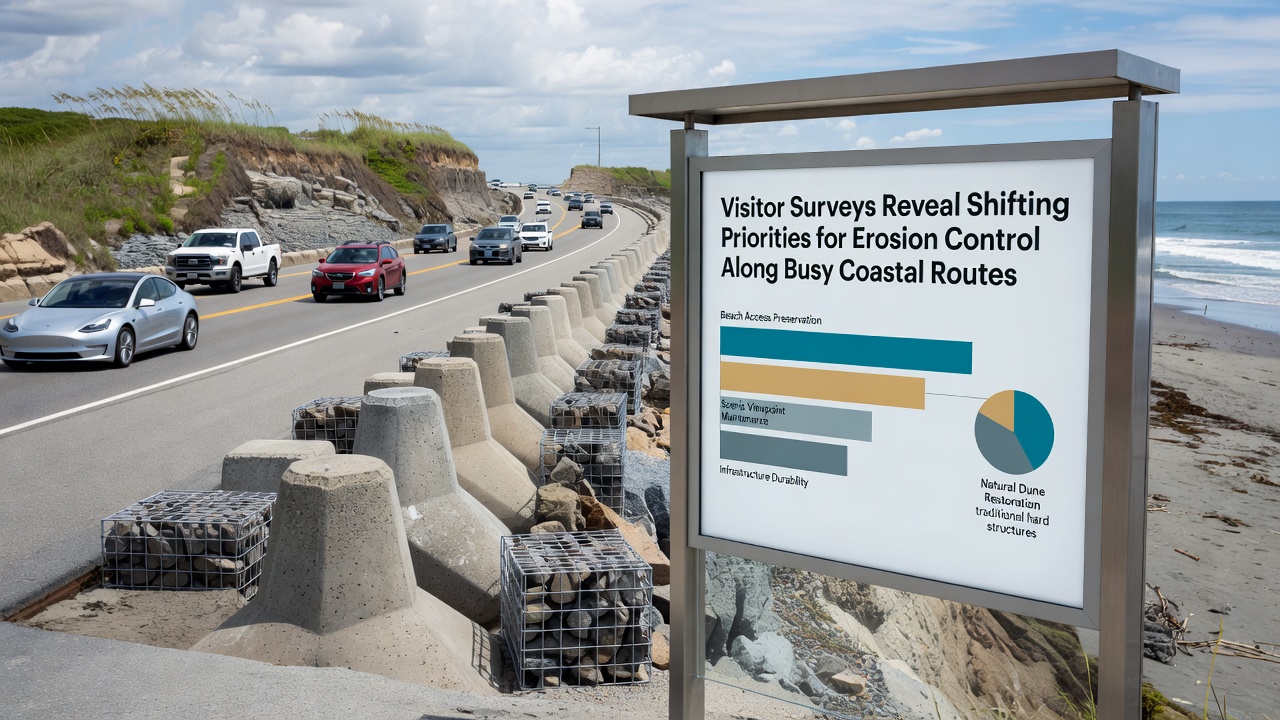
Responses showed consistent themes across different stretches, particularly where daily usage exceeds several hundred walkers. Many noted that wooden revetments and rock armour placements, while effective at reducing undercutting, sometimes create visual obstructions that alter the experience of the route. In contrast, options involving vegetation reinforcement and graded slopes received higher approval ratings for maintaining scenic continuity while addressing soil displacement.
Key Findings from Respondent Feedback
Data indicates that 68 percent of those surveyed now rank hybrid erosion controls as their top priority, up from 41 percent in comparable surveys conducted three years earlier. This shift appears tied to increased awareness of long-term maintenance costs, as visitors referenced examples where repeated repairs to rigid structures led to temporary closures. Figures reveal that routes with combined bioengineering and low-profile fencing reported fewer disruptions during the previous winter season.
Additional patterns emerged when responses were segmented by user type. Cyclists and runners placed greater emphasis on surface stability and drainage features, whereas families highlighted the importance of clear sightlines and accessible gradients. Observers note that these preferences align with usage statistics showing varied activity levels along different segments of the network.
Regional Comparisons and External Context
Similar trends appear in reports from other coastal management programs, including work by the US Environmental Protection Agency on shoreline stabilization techniques. Those documents describe parallel visitor input favoring methods that preserve habitat connectivity. Within the UK, data compiled by regional authorities shows comparable movement toward adaptive strategies that respond to both erosion rates and public expectations.
One study released by a European research consortium examined visitor attitudes across multiple shoreline paths and found that engagement with interpretive signage about erosion processes correlated with stronger support for proactive interventions. People who reviewed such materials before completing surveys were more likely to endorse phased upgrades rather than immediate large-scale construction.
Implementation Considerations for September 2026
Planning documents scheduled for review in September 2026 incorporate these survey outcomes into proposed trial sections. Engineers plan to test modular timber and geotextile combinations at three locations where erosion has accelerated over the past 18 months. Monitoring will track both structural performance and user feedback through follow-up questionnaires at six-month intervals.
Funding allocations reference visitor priorities directly, directing resources toward features that address drainage first, followed by slope stabilization. This sequencing reflects patterns in the survey data, where respondents identified standing water and surface rutting as immediate concerns before discussing broader landscape changes.
Conclusion
Visitor input continues to shape how erosion control strategies develop along high-traffic coastal routes, with survey results providing measurable guidance for upcoming adjustments. The documented shift toward integrated methods offers a basis for targeted trials that can be evaluated against both physical metrics and continued public response. Ongoing collection of comparable data will allow adjustments as conditions evolve through the coming seasons.