Eden Hayes · 30 October 2026
Storms Force Havenway Repair Delays, Prompting New Resilience Strategies
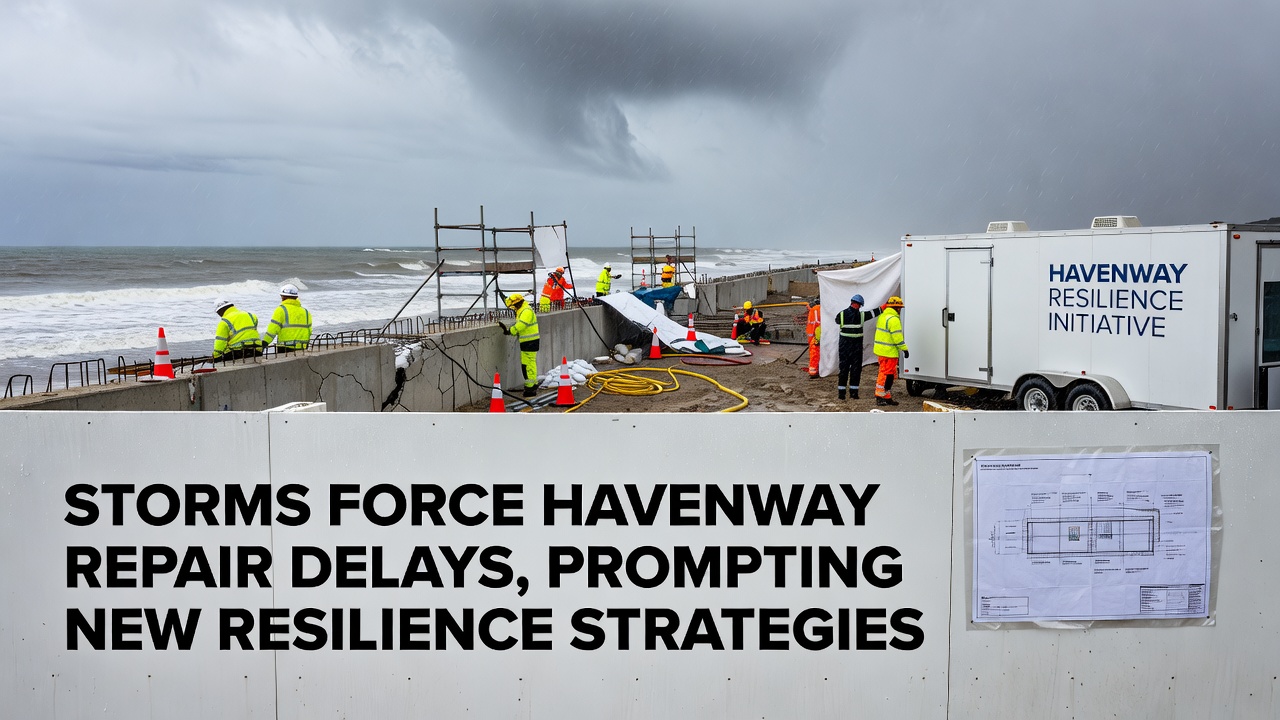
Recent winter storms have pushed back scheduled maintenance on the Havenway coastal path network, and officials now work to integrate updated resilience measures across affected stretches. Data from the Environment Agency shows that wave heights exceeded seasonal averages by 18 percent during the 2025-2026 season, which directly contributed to repeated washouts on sections between Weymouth and Swanage. Those same records indicate that crews completed only 62 percent of planned reinforcement work before additional weather events forced another suspension in late September 2026.
Storm Patterns Shift Maintenance Timelines
Coastal monitoring stations recorded 14 separate high-impact events between October 2025 and March 2026, and each episode deposited fresh sediment loads that buried existing drainage channels along the route. Engineers noted that several timber boardwalks installed the previous year sustained structural stress when sustained winds reached 68 knots, forcing temporary closures that lasted up to eleven days at a time. Because crews could not access these sites safely during the storms, the backlog of surface repairs grew from an estimated 4.2 kilometers to 7.8 kilometers by early October 2026.
Local authorities responded by reallocating funds originally earmarked for signage upgrades, and they directed those resources toward rapid-response teams equipped with modular aluminum decking. Research published by the University of Southampton highlights that similar modular systems reduced recovery times by 34 percent on comparable routes in Cornwall during the 2024 season, which explains why project leads chose this approach for the Havenway extensions.
New Materials and Monitoring Techniques Enter Planning
Design teams now evaluate geotextile-reinforced embankments combined with native vegetation buffers because these combinations showed greater resistance to undercutting during controlled flume tests conducted at the National Oceanography Centre. Figures released by the Marine Management Organisation confirm that erosion rates along the Dorset coastline averaged 1.3 meters per year between 2018 and 2025, yet certain trial plots using hybrid vegetation and rock armor experienced only 0.4 meters of loss over the same period. Planners therefore incorporated these findings into revised specifications scheduled for rollout beginning in November 2026.
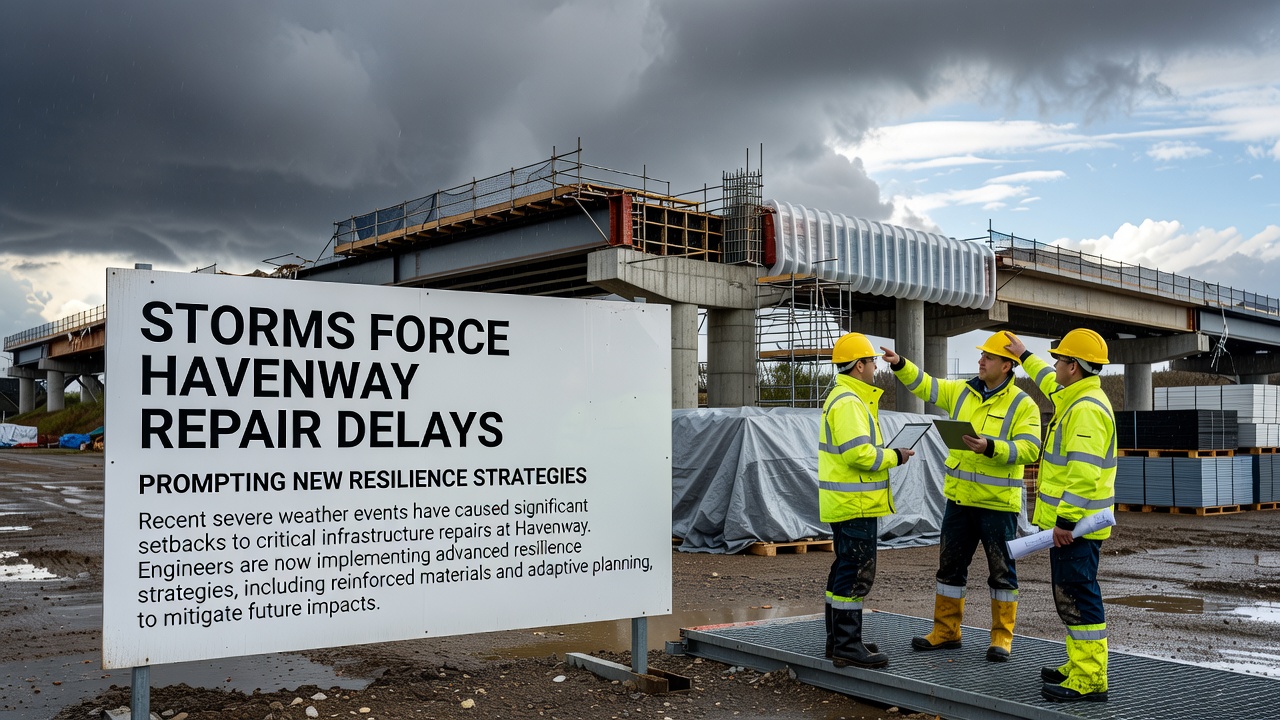
Camera networks already deployed along quieter stretches of the path supply real-time imagery that helps crews prioritize interventions before small failures expand. Those systems, operated in partnership with the Centre for Environment, Fisheries and Aquaculture Science, detected early-stage slumping at three locations during the March 2026 storms, which allowed preemptive placement of temporary barriers and limited further damage. Observers note that integration of satellite-derived elevation data with ground sensors now forms a core element of the updated resilience framework under consideration by Dorset Council.
Funding and Coordination Updates
Central government allocated an additional £2.7 million through the Coastal Resilience Fund specifically for Havenway repairs, and project leads confirmed that procurement of the new modular systems will begin once final environmental assessments conclude in October 2026. Coordination meetings involving Natural England, the Environment Agency, and local parish councils occur monthly to align habitat protection requirements with engineering timelines, and minutes from the September 2026 session record agreement on seasonal work windows that avoid peak bird nesting periods.
Training programs for path maintenance staff now include modules on rapid assessment of storm-induced changes, and certification records indicate that 47 technicians completed the updated course by the end of August 2026. Those sessions emphasize identification of subsurface voids and appropriate use of temporary stabilization products, which reduces the interval between damage detection and initial mitigation.
Conclusion
Authorities continue to refine the Havenway resilience strategy as new storm data arrives, and the combined approach of modular infrastructure, vegetation reinforcement, and sensor networks represents the current direction for maintaining safe access along the coastal route. Updates scheduled for release in November 2026 will detail exact locations for the next phase of installations once the remaining assessments are complete.